Months before global tensions escalated into a major disruption of oil supplies, a government agency had already warned that a fuel supply crisis could have serious consequences for the economy.
A report uncovered through a freedom of information request revealed that authorities had anticipated the possibility of widespread disruption long before it became reality.
The report, prepared as part of a large-scale emergency simulation exercise, highlighted how vulnerable Australia’s fuel supply chain could be in the face of global instability. It warned that even a partial disruption could trigger significant economic and social consequences across the country.
The Role of Emergency Planning
The National Emergency Management Agency (NEMA), established in 2022 following devastating bushfires, conducted a major preparedness exercise known as “Exercise Convergence.” This initiative brought together more than 300 participants, including government agencies, industry stakeholders, and non-profit organizations.
The 21-day simulation focused on a hypothetical scenario in which fuel imports into Australia dropped by 75 percent. It also explored how misinformation and communication breakdowns could worsen the crisis. The goal was to test the nation’s readiness and identify weaknesses in emergency response systems.
Findings from Exercise Convergence
The final report from the exercise identified several critical concerns. One of the most alarming findings was that a national fuel shortage would have a cascading effect across multiple sectors. Essential services, logistics networks, and emergency response operations were all identified as being at risk.
Participants in the exercise, particularly from industry and non-government sectors, warned that such a crisis would result in a “severe economic impact.” Limited fuel availability was seen as a key factor that could disrupt supply chains, inflate costs, and hinder the delivery of essential goods.
The report emphasized the importance of maintaining critical services during emergencies, noting that fuel supply plays a central role in ensuring economic stability and public well-being.
Real-World Crisis Unfolds
The warnings outlined in the report have taken on new urgency following recent global developments. Rising geopolitical tensions have led to disruptions in key oil supply routes, particularly in regions responsible for a significant portion of global exports.
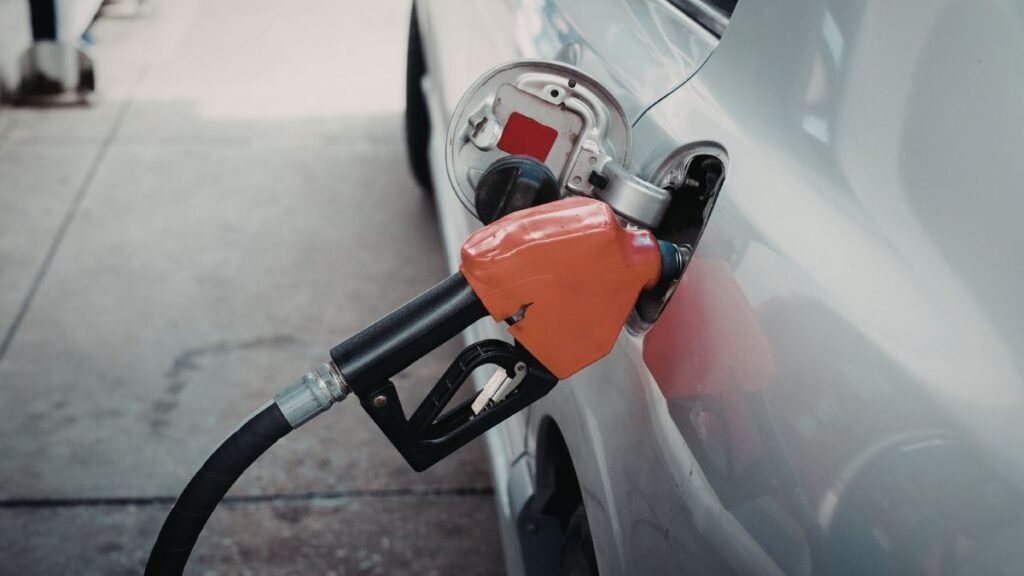
As a result, fuel prices have surged, with some service stations charging more than $3 per litre. In certain regional areas, fuel shortages have already begun to emerge, leaving communities struggling to access essential resources.
In response, the federal government has released a portion of its fuel reserves into the domestic market to ease immediate pressure. However, the situation remains uncertain, and concerns about long-term supply stability persist.
Impact on Communities and Industries
The fuel crisis is having a particularly severe impact on rural and agricultural communities. Farmers, already dealing with challenges such as fertiliser shortages, now face additional strain due to rising fuel costs and limited availability.
This dual pressure is expected to affect the upcoming winter cropping season and could lead to higher food prices for consumers. The disruption of logistics networks further complicates the situation, as transporting goods becomes more expensive and less reliable.
The report had previously warned that fuel shortages could disproportionately affect vulnerable communities, highlighting the need for better coordination and resilience in supply chains.
Questions Over Preparedness
The unfolding crisis has raised important questions about how prepared the country was to handle such a scenario. Despite early warnings, it remains unclear whether sufficient measures were taken to strengthen fuel supply systems and emergency response strategies.
Government officials have stated that exercises like “Exercise Convergence” are designed to test preparedness rather than provide direct policy recommendations. However, the similarities between the simulated scenario and current events have sparked debate over whether more proactive action could have mitigated the impact.
The fuel crisis now affecting Australia underscores the importance of proactive planning and effective response strategies. The warnings outlined in earlier simulations highlight how predictable such disruptions can be, yet also reveal gaps in preparedness and coordination.
As global uncertainties continue to shape energy markets, strengthening fuel supply resilience and improving crisis management systems will be critical. The lessons from this situation may serve as a turning point, prompting greater investment in infrastructure, planning, and collaboration to safeguard against future disruptions.