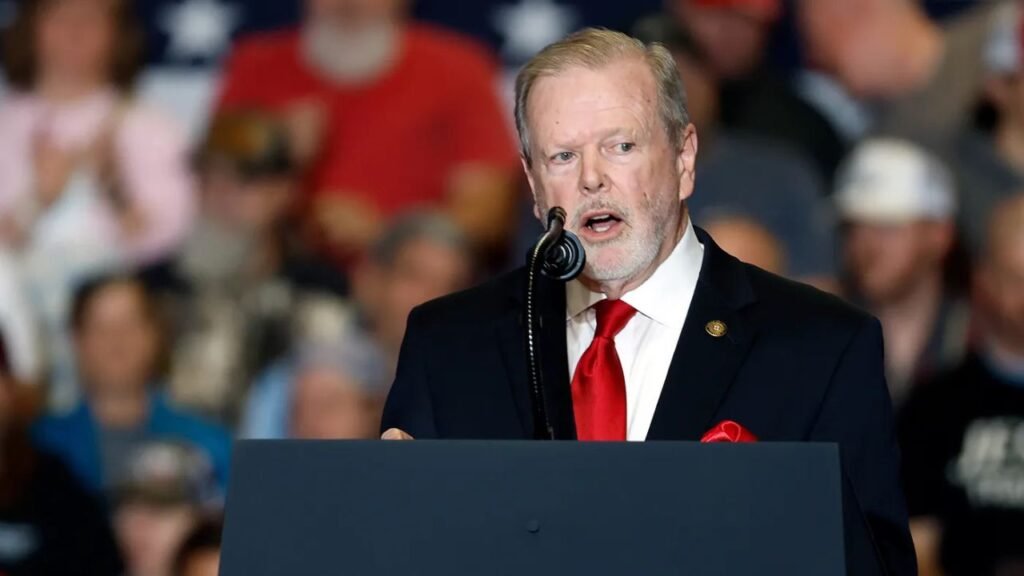
In a closely watched electoral dispute, Berger has called for a second recount following an earlier review that failed to alter the original vote results. The situation has raised serious concerns about transparency, voter trust, and the accuracy of the counting process. With tensions rising among voters and political observers, this development highlights how even small doubts in election outcomes can lead to significant public debate.
What Triggered the Recount Demand?
Close Election Results Spark Concerns
The election in question was extremely tight, with only a narrow margin separating the leading candidates. In such cases, recounts are often requested to ensure that every vote has been counted correctly.
After the initial results were announced, Berger and supporters raised concerns about possible counting errors, missing ballots, or procedural issues. Due to these concerns, an official recount was conducted.
First Recount Showed No Change
The first recount confirmed the original results, meaning there were no changes in vote totals or candidate positions. Despite this, Berger remains dissatisfied and believes that the recount process may not have been thorough enough.
This has led to the demand for a second recount, which Berger argues is necessary to protect voter confidence and ensure fairness.
Why Berger Calls It “Unfair to Voters”
Questioning Transparency in the Counting Process
Berger has publicly stated that the situation is “unfair to voters,” emphasizing that every individual vote should be accurately counted and verified. According to Berger, the lack of change in the recount does not automatically mean that the process was flawless.
There are concerns that:
Uncounted ballots may still exist
Human errors could have occurred during counting
Certain procedures may not have been followed strictly
Importance of Trust in Elections
Elections rely heavily on public trust. If voters believe that results are inaccurate or that errors were overlooked, confidence in the system can decline.
Berger argues that requesting a second recount is not about changing the outcome but about ensuring complete transparency and fairness.
How Recount Processes Usually Work
Standard Election Recount Procedure
In most elections, a recount is triggered under specific conditions, such as:
A very close vote margin
A formal request by a candidate
Legal provisions allowing recounts
During a recount:
Ballots are rechecked manually or electronically
Election officials verify totals
Observers may be present to ensure fairness
Limitations of a Single Recount
While recounts are designed to catch errors, they are not always perfect. A single recount might still miss issues if:
The same methods are used again
Oversight is limited
Time constraints affect accuracy
This is one of the reasons Berger is pushing for a second recount, arguing that a fresh review could uncover discrepancies.
Key Details of the Situation
Here is a summary of the major facts surrounding the recount dispute:
| Detail | Information |
|---|---|
| Candidate demanding recount | Berger |
| Issue raised | Concerns over accuracy and fairness |
| First recount result | No change in vote totals |
| Reason for second demand | Ensuring transparency and voter trust |
| Main argument | “Unfair to voters” if doubts remain |
| Election type | Close-margin contest |
Public and Political Reactions
Support for Berger’s Demand
Some voters and political analysts support Berger’s call for a second recount. They believe that:
Every vote must be verified thoroughly
Even minor doubts should be addressed
Transparency is more important than speed
Supporters argue that an additional recount can strengthen confidence in the final result.
Opposition to a Second Recount
On the other hand, critics believe that requesting multiple recounts could:
Delay final election results
Increase administrative costs
Create unnecessary confusion
They argue that since the first recount showed no changes, the outcome should be accepted.
Legal and Procedural Challenges
Can a Second Recount Be Approved?
Whether a second recount will happen depends on election laws and regulations. In many systems, additional recounts are only allowed if:
New evidence is presented
There are clear procedural errors
Courts approve the request
Berger may need to provide strong justification to move forward with another recount.
Possible Legal Battle
If election authorities reject the request, the issue could move to court. This could lead to:
Legal hearings
Extended delays in final results
Increased public attention
Such situations are not uncommon in close elections, especially when stakes are high.
Impact on Voters and Democracy
Why This Matters to Voters
The main concern in this situation is not just who wins the election, but whether the process is trusted by voters.
If voters feel that their ballots were not counted correctly, it can lead to:
Loss of confidence in elections
Reduced voter turnout in future
Increased political tension
Strengthening the Electoral System
At the same time, disputes like this can also improve systems by highlighting weaknesses. Authorities may review procedures and make improvements to ensure:
Better accuracy
Greater transparency
Stronger accountability
What Happens Next?
Possible Outcomes
There are several possible scenarios moving forward:
The second recount is approved and conducted
The request is denied, and results remain final
The matter is taken to court for further review
Each outcome will shape how the public views the election and its fairness.
Long-Term Effects
Regardless of the final decision, this situation will likely have long-term effects on:
Election policies
Public trust in voting systems
Future recount procedures